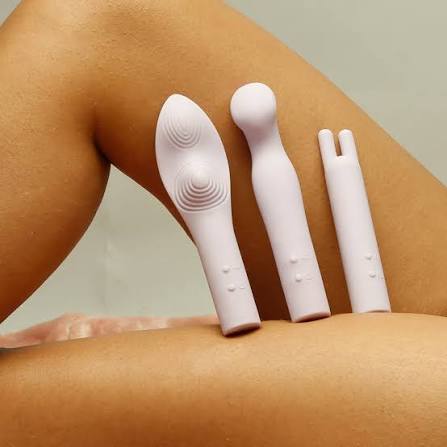
The adult wellness industry has expanded rapidly, offering consumers an unprecedented selection of intimate devices and accessories. Along with this explosion in design and technology comes an often overlooked reality: the market remains largely unregulated regarding raw material standards. Unlike food containers, medical devices, or cosmetics, adult novelty items are frequently classified as novelty gifts, which allows manufacturers in some regions to bypass strict safety testing.
Because these products come into direct, sustained contact with sensitive mucous membranes, the chemical makeup of what you buy matters just as much as its features or design. Porous substances can harbor microscopic pathogens, while hazardous plasticizers can leach into delicate tissue. Understanding the difference between certified body-safe compounds and cheap commercial novelties is essential for protecting your sexual wellness and personal health.
The Science of Body Safety: Porous Versus Non-Porous Materials
To evaluate any adult product, you must first understand the fundamental physical difference between porous and non-porous surfaces.
Porous materials contain microscopic pockets, channels, or voids. Even when an item feels smooth to the touch, microscopic indentations trap moisture, dead skin cells, lubricants, and bacteria. Standard sanitizing methods, such as washing with antibacterial soap and warm water, cannot penetrate these tiny crevices. Over time, bacteria, mold spores, and fungal colonies proliferate within the interior matrix of the product, creating an ongoing risk of bacterial vaginosis, urinary tract infections, and contact dermatitis. Furthermore, porous plastics frequently rely on chemical plasticizers to achieve their soft, squishy texture, and these chemicals can off-gas or migrate into the body.
Non-porous materials present a solid, impermeable molecular structure. Liquids and pathogens cannot soak beneath the outer surface. Because germs remain entirely on the exterior, non-porous products can be completely sanitized, disinfected, and in many cases sterilized using boiling water or specialized cleaning solutions. Choosing non-porous construction is the single most reliable way to ensure long-term hygiene and comfort.
The Premier Body-Safe Materials
When shopping for high-quality, body-safe adult novelties, look for products built from non-porous, chemically stable, and hypoallergenic materials.
Medical-Grade Silicone
Medical-grade silicone represents the gold standard across the intimate wellness market. It is an inorganic polymer composed of silicon, oxygen, carbon, and hydrogen. It is completely non-porous, hypoallergenic, and free from latex, phthalates, and bisphenol compounds.
-
Physical qualities: Silicone is naturally soft, flexible, and velvety to the touch. It adapts quickly to ambient body temperature, making it exceptionally comfortable against sensitive skin.
-
Durability: It withstands extreme heat, allowing for thorough sanitization. High-grade silicone will not degrade or crack under normal use if cared for correctly.
-
Lubricant compatibility: Silicone must strictly be paired with water-based lubricants. Liquid silicone lubricants dissolve and pit silicone surfaces, creating irreversible damage that ruins the toy and compromises safety.
When shopping, check that the manufacturer explicitly specifies one hundred percent medical-grade silicone or platinum-cured silicone. Beware of ambiguous terms like silicone blend, silicone-feel, or soft-touch silicone, which often mask a mixture containing cheap vinyl or plasticizers.
Borosilicate Glass
Borosilicate glass is an engineered formulation containing silica and boron trioxide. Known commercially for its use in laboratory beakers and high-temperature cookware, it is one of the cleanest and safest materials available for intimate products.
-
Structural integrity: Unlike everyday soda-lime glass found in drinking cups or light bulbs, borosilicate glass is shatter-resistant, scratch-resistant, and chemically inert. It does not chip easily and will not fracture from thermal shock.
-
Firmness and pressure: Glass offers total rigidity. For users seeking distinct, pinpoint pressure rather than the yielding flex of silicone, glass provides precise mechanical feedback.
-
Temperature play capabilities: Because borosilicate handles thermal shifts effortlessly, it can be warmed in a bowl of hot tap water or chilled in a refrigerator prior to use. It should never be placed in a freezer or microwave, as extreme thermal extremes can create internal stress fractures.
-
Lubricant versatility: Being entirely non-reactive, glass works seamlessly with water-based, silicone-based, and oil-based formulations.
Stainless Steel and Polished Aluminum
Metals have earned a prominent spot in high-end adult collections due to their sleek aesthetic, hygienic properties, and noticeable heft.
-
Hygienic standard: High-grade stainless steel, specifically grades 304 and 316, is completely non-porous, rust-proof, and hypoallergenic. It resists all biological stains and can be boiled or scrubbed without dulling the finish.
-
Weight and sensation: Metal items are considerably heavier than silicone or plastic counterparts. This natural weight generates passive, steady pressure without requiring extra manual effort.
-
Thermal conductivity: Stainless steel absorbs and retains temperature quickly. A brief bath in warm water ensures a pleasant, soothing sensation, while cool water provides sharp, stimulating contrast.
-
Universal compatibility: Similar to glass, stainless steel does not react with silicone or water-based lubricants, giving you complete freedom when choosing personal lubricants.
Avoid items labeled simply as cast metal, zinc alloy, or nickel-plated metal. These base metals often contain nickel, a frequent trigger for severe allergic skin reactions, and cheap plating can flake off over time.
Acrylonitrile Butadiene Styrene (ABS) Plastic
ABS plastic is a rigid, impact-resistant thermoplastic widely used in medical equipment, protective headgear, and consumer electronics. In the adult novelty world, it is the primary material used for firm internal cores, external bullet vibrators, and ergonomic control handles.
-
Safety profile: Quality ABS plastic does not contain phthalates, bisphenols, or harmful heavy metals. It features a hard, non-porous exterior that is easy to sanitize.
-
Vibration transfer: Because ABS is rigid and lightweight, it transfers motor vibrations with high efficiency. While silicone tends to absorb and cushion mechanical vibrations into a rumbly sensation, hard plastic delivers sharp, buzzy surface vibrations.
-
Compatibility: High-grade ABS plastic is fully compatible with water-based lubricants and most silicone formulations, although water-based options remain the safest choice to avoid dulling clear acrylic coats.
Ceramic
While less common than glass or silicone, food-safe glazed ceramic has emerged as an artisanal alternative. High-fire ceramic coated with a vitrified, lead-free glaze is entirely non-porous, smooth, and rigid. It offers temperature retention properties comparable to glass and carries an organic, smooth texture. Users must verify that the glaze is certified non-toxic and lead-free before use.
Materials to Avoid at All Costs
Low-cost manufacturing shortcuts frequently utilize industrial plastics that pose direct hazards to human reproductive and systemic health. Steer clear of items containing the following compounds.
-
Jelly rubber and rubber blends: Often sold in discount novelty bins, jelly rubber is notoriously unstable. It consists of low-grade mineral oils mixed with polyvinyl derivatives. It emits a pungent chemical smell, feels tacky, breaks down rapidly, and harbors bacteria almost immediately.
-
Polyvinyl Chloride (PVC) and Vinyl: In its natural state, PVC is rigid. To make it flexible enough for adult novelties, manufacturers saturate it with liquid chemical plasticizers known as phthalates. Phthalates are documented endocrine disruptors that mimic or interfere with the body’s natural hormones. They leach out readily, particularly when exposed to body heat or oil.
-
Thermal Plastic Elastomer (TPE) and Thermoplastic Rubber (TPR): While widely used in lifelike textured strokers and realistic prosthetics, TPE and TPR are porous materials. They degrade under heat, melt if exposed to mineral oils, and cannot be completely sterilized with boiling water. If you choose to own a TPE product, it must be washed with specialized cleansers, dried thoroughly, powdered with pure cornstarch to prevent tackiness, and replaced regularly.
-
Unspecified rubber or latex blends: Products that list generic terms such as novelty compound, cyber-skin, or natural rubber without clear material disclosures often contain hidden latex proteins that trigger severe allergic reactions, or petroleum distillates that cause intense burning and itching.
How to Verify Material Safety Before Buying
Because packaging can sometimes feature misleading buzzwords, using a critical eye before completing a purchase will save you from discomfort and wasted money.
-
Smell the product immediately: Safe materials like platinum silicone, borosilicate glass, and steel are completely odorless. If you open a package and detect a sharp, chemical, plastic, or petroleum-like odor, the material is actively off-gassing volatile organic compounds and should not be used.
-
Read manufacturer disclosures: Trustworthy brands state the exact materials used on the box and in user manuals. Look for terms like one hundred percent medical-grade silicone, ASTM compliant, or certified borosilicate. If the packaging uses vague marketing phrases like jelly, rubbery, or soft composite, look elsewhere.
-
Inspect the price point: High-grade raw materials such as medical silicone and machined steel cost money to source and cast safely. If an item costs unusually little, the manufacturer likely substituted safe silicone with cheap plasticized fillers.
-
Check the finish: Run your finger along the seams and joints. Quality manufacturing produces seamless surfaces without sharp mold lines, uneven bubbling, or peeling topcoats.
Frequently Asked Questions
Can an allergic reaction occur when using medical-grade silicone?
True silicone allergies are extremely rare because pure silicone contains no organic proteins or reactive chemical groups. When an individual experiences irritation from a silicone item, the cause is almost always an adverse reaction to preservatives in the lubricant, chemical residues from scented soaps, or contamination from plasticizers present in counterfeit silicone blends.
How can I determine if a mystery product is made of real silicone or cheap jelly rubber?
You can assess the material through texture and flexibility. Real silicone feels smooth, dry, and velvety, and it snaps back cleanly without sticky residue. Jelly rubber feels damp, slick, or excessively gummy, stretches out unnaturally, and leaves a persistent chemical residue on your fingers that smells like kerosene or industrial plastic.
Is it safe to clean non-porous adult products in a home dishwasher?
Non-motorized items made strictly of borosilicate glass, pure stainless steel, or solid medical silicone can handle the heat of a dishwasher top rack. However, detergents containing harsh bleaches, citrus enzymes, or abrasive granules can etch glass surfaces and leave chemical residues on silicone. Cleaning by hand with hot water and mild antibacterial soap remains the safer method.
Why do some metal products feel lighter than expected?
Products crafted from solid stainless steel carry noticeable mass, whereas those made from hollowed-out steel, aluminum alloys, or zinc castings feel significantly lighter. While aluminum is safe if properly polished and unpainted, ultra-lightweight mystery metals frequently feature thin chrome plating that can peel, chip, or expose cheap underlying alloys that irritate the skin.
Do body-safe materials have an expiration date?
High-integrity non-porous materials such as glass, stainless steel, and ABS plastic do not expire and can last indefinitely with proper care. High-grade silicone can also last for many years, but it should be retired if the surface develops tears, begins to feel perpetually sticky, or shows signs of thinning around internal wires or motors.
Why must oil-based lubricants be avoided with certain materials?
Oil-based substances, including petroleum jelly, coconut oil, and mineral oils, chemically break down porous compounds like latex, TPR, and vinyl, causing them to dissolve into a gummy mess. While oil does not damage glass or steel, it is difficult to wash away completely and can leave an invisible film that traps environmental dust and bacteria.
Does a body-safe label on packaging guarantee regulatory approval?
No regulatory agency universally pre-approves adult products before they hit retail shelves. The term body-safe is an industry marketing descriptor rather than a legally binding certification. Consumers must evaluate the explicit material listing, verify the manufacturer reputation, and avoid vague material claims rather than relying solely on front-of-box claims.